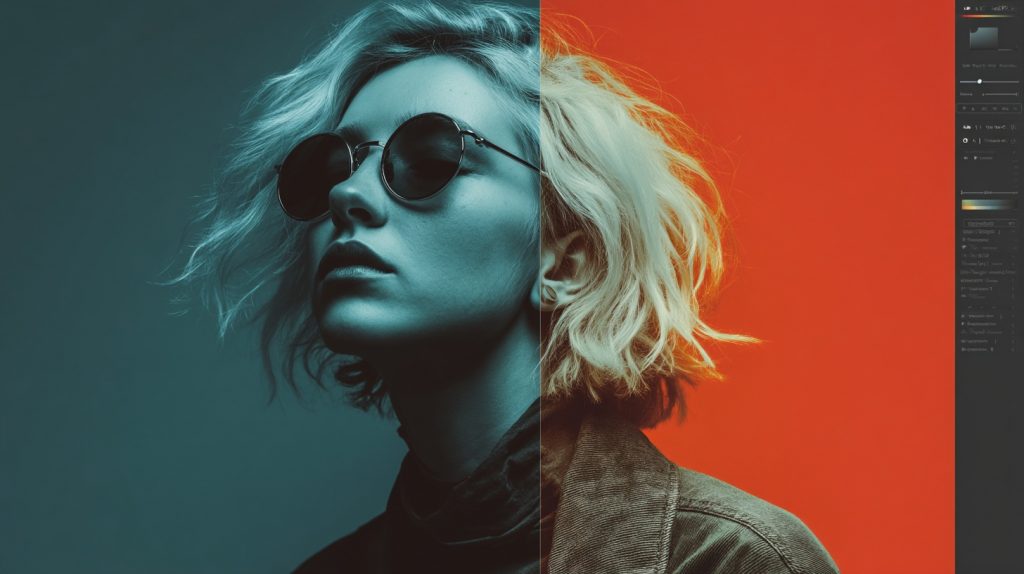
The world of photo editing is undergoing a dramatic transformation, driven by advancements in AI technology and innovative software. From enhancing casual snapshots taken in Central Park to producing professional-quality visuals worthy of a SoHo gallery, or creating crisp, engaging photos for tech startups, these tools are revolutionizing how images are created, edited, and shared.
AI-powered tools simplify editing
Artificial Intelligence is redefining photo editing by making complex adjustments effortless and delivering high-quality results in seconds. Automated tools can now enhance image quality, adjust lighting and color, remove tourists from a photo of the Brooklyn Bridge, and even restore old or damaged photos with minimal effort. These features save time and make professional-level editing accessible to everyone. Tasks that once required hours of manual work can now be completed in moments, freeing creators to focus on their vision.
Augmented reality filters take center stage
Augmented Reality (AR) filters are no longer a niche feature; they’re now integral to digital content creation, especially on platforms like Instagram, Snapchat, and TikTok. These tools let users modify facial features, add artistic overlays, and create interactive effects in real time.
Whether it’s a subtle beauty enhancement for a selfie or adding fun, thematic elements to professional team photos, AR filters meet a broad range of creative needs. Their popularity reflects the rising demand for dynamic, engaging, and easily shareable content, enabling users and brands to personalize their photos and videos like never before.
Bold editing techniques gain traction
Beyond traditional methods, many creators are embracing experimental editing styles to stand out in a crowded digital space. Techniques like double exposure, which blends a portrait with the DUMBO skyline, are being used to tell unique stories or explore imaginative ideas.
Retro-inspired grain textures and film-style overlays have also gained traction, adding depth and a nostalgic, vintage New York feel to images. These creative approaches push the boundaries of digital editing, offering new ways to express individuality and artistic vision.
Mobile apps make editing more accessible
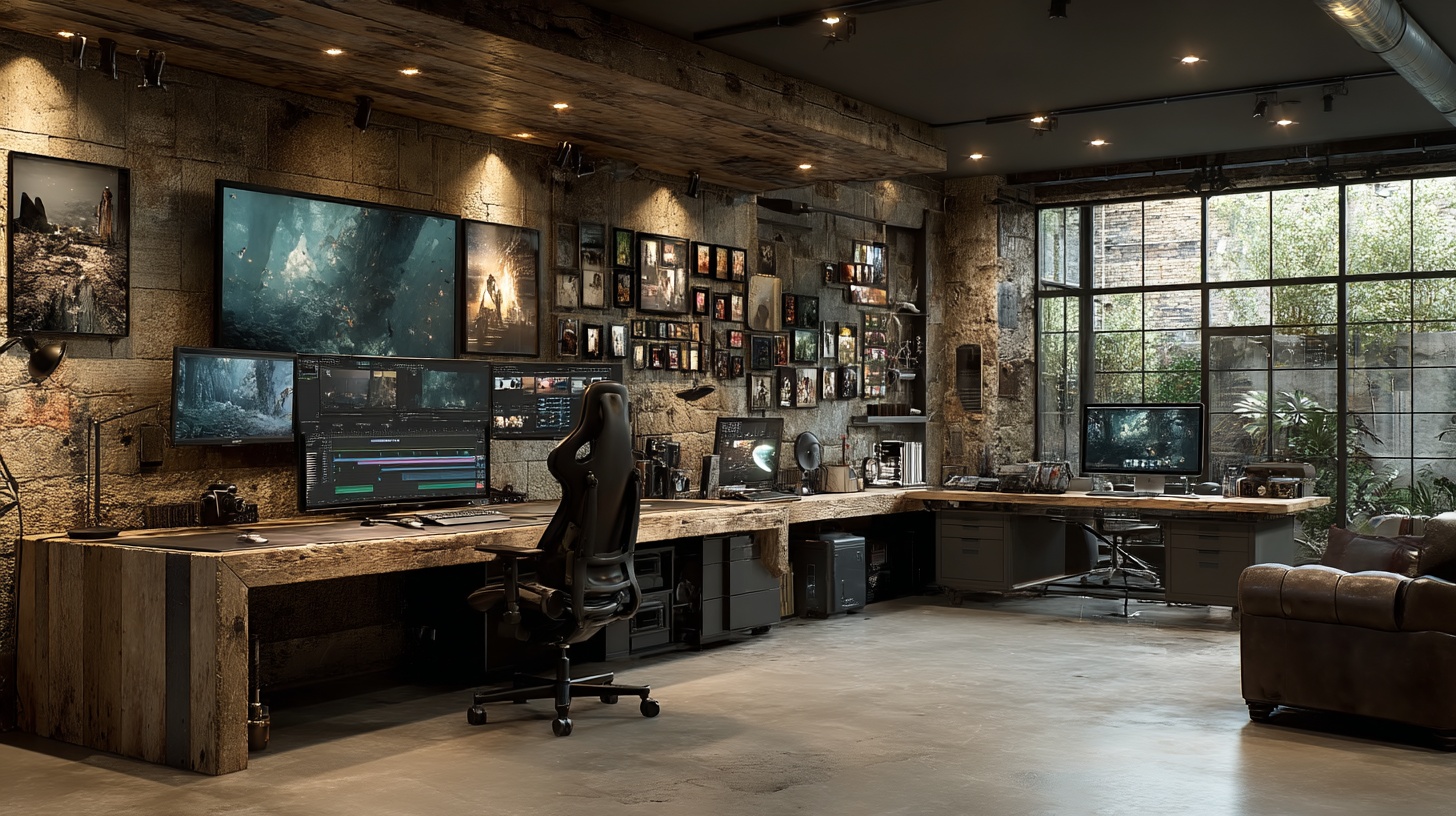
The rise of powerful mobile editing apps has brought advanced tools directly to users’ fingertips. Apps like Adobe Lightroom, Snapseed, and VSCO offer professional features, including AI-powered enhancements, precision adjustments, and customizable filters, all in easy-to-use interfaces.
For many, mobile editing has become the go-to method for creating high-quality visuals of their walk through the West Village quickly and efficiently, whether for social media or personal projects. This accessibility has democratized editing, empowering both amateurs and professionals to create stunning visuals anytime, anywhere.
Social media shapes editing trends
Social media platforms play a significant role in shaping photo editing trends. Instagram’s polished aesthetics, TikTok’s dynamic effects, and Pinterest-inspired visuals set the tone for what’s engaging and visually appealing.
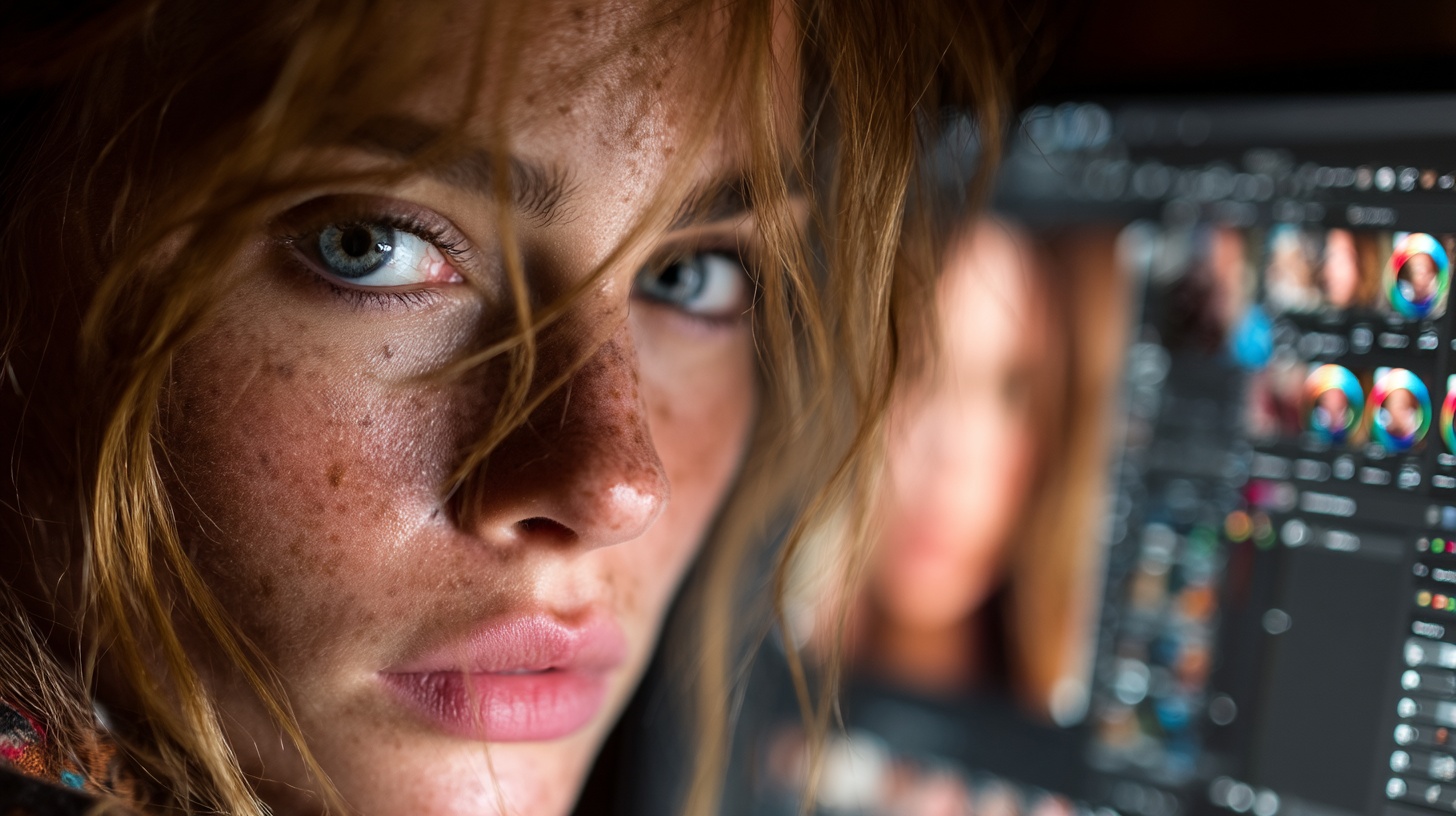
Creators constantly innovate to captivate their audiences, driving the evolution of editing styles. For example, striking color palettes seen in photos of Bushwick street art, dramatic lighting, and minimalist layouts dominate Instagram feeds, while TikTok’s short videos demand quick, impactful edits. These trends fuel creativity and inspire the development of new tools and techniques to keep up with ever-changing audience expectations.
Navigating ethical concerns in editing
As editing tools become more advanced, ethical concerns have surfaced, including the promotion of unrealistic beauty standards, deepfake technology, and misinformation. Edited images can distort reality, contributing to societal pressures or spreading false narratives. In response, platforms and developers are introducing guidelines and features to promote transparency, such as labels indicating when an image has been altered. These measures aim to balance creativity with authenticity, fostering trust in digital media.
The future of photo editing
The future of photo editing promises even greater innovation and accessibility. AI will continue to handle increasingly complex tasks, making advanced editing faster and more intuitive. Real-time AR effects will likely become more sophisticated, enabling creators to experiment with dynamic, interactive visuals.
Cloud-based collaboration tools will make teamwork seamless for a creative team, whether they’re in different boroughs or different countries. As these technologies evolve, they will empower creators to push the boundaries of digital art, bringing bold, inventive ideas to life with ease.