Online gaming is fun, convenient, and packed with rewards, but protecting your personal data is essential. By staying cautious and choosing reputable sites, you can enjoy safe and secure gaming every time you log in.
As online casinos grow in popularity, the importance of cybersecurity has never been clearer. Quality platforms, often powered by leading iGaming software provider, offer convenience and entertainment. Savvy players know that protecting their data is just as important. By selecting licensed casinos and following basic online safety practices, gamers can fully enjoy the excitement of real-money gaming without unnecessary risks.
Why cybersecurity matters in online casinos
Online gaming platforms handle sensitive user information, including personal details, payment data, and passwords. With more people gaming on mobile apps and websites, cybersecurity should be a priority for both players and platforms. Fortunately, legitimate online casinos implement robust security protocols to protect their users.
These measures include SSL encryption, secure payment gateways, data anonymization, and firewalls — all designed to safeguard your information. Many platforms are built using a comprehensive online casino turnkey solution that integrates these security features from the ground up.
So, whether you’re spinning slots, placing bets, or claiming a vegasslotsonline no deposit bonus, you deserve peace of mind that your account is secure. Reputable casinos take these precautions seriously, ensuring you can enjoy gaming without worrying about your security.
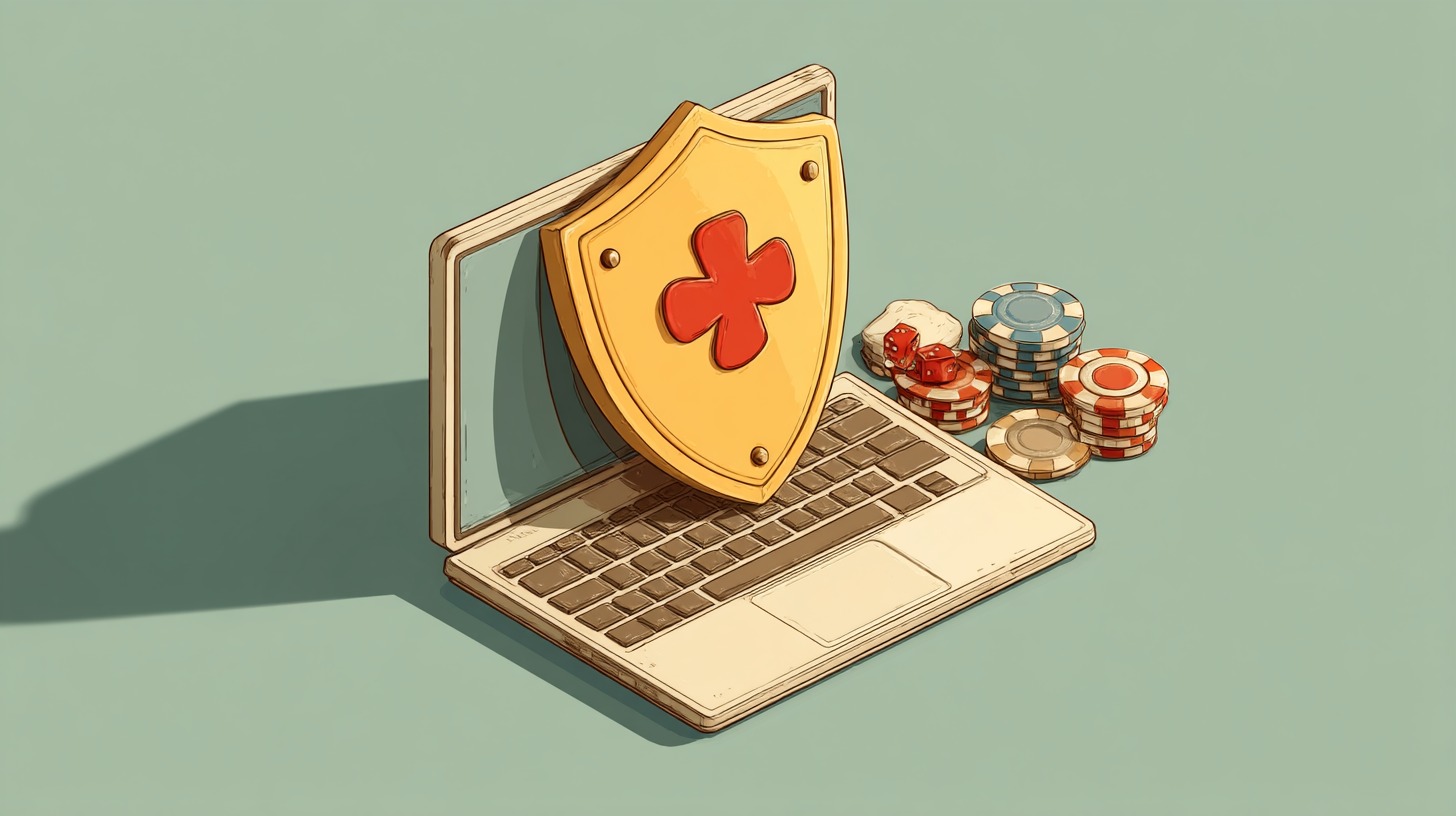
That said, security isn’t just the responsibility of the platform. Players must also stay vigilant by using strong passwords, avoiding suspicious links, and verifying a casino’s licensing before playing.
Choosing a safe and licensed online casino
Your best bet for safe gaming is to pick a licensed online casino. A license from a trusted source like the UK Gambling Commission or the Malta Gaming Authority means the casino plays by the rules and is serious about security and fairness. These groups check up on casinos to make sure everything is transparent and players are protected.
Legit casinos will usually show off their license at the bottom of their homepage or on their “About Us” page. Also, look for a little padlock icon in your browser’s address bar — that means the site uses SSL encryption to keep your data safe when you’re making payments.
Stick with platforms that have clear privacy policies, offer tools for responsible gaming, and have customer support available around the clock. If a casino is unlicensed or has confusing terms, it’s best to steer clear.
Protecting your personal and financial information
When you sign up for an online casino, you’ll need to provide personal and financial information, so it’s essential to only use secure, legitimate websites. Avoid using public Wi-Fi for registering or gambling, and never save passwords or payment details on shared devices.
Opt for platforms that support secure payment methods like Visa, Mastercard, PayPal, or other protected digital wallets. For users seeking more privacy, prepaid cards and cryptocurrencies are excellent options — particularly for platforms powered by advanced cryptocurrency casino software, which ensures secure and transparent transactions.

After setting up your account, regularly review your transaction history for any unauthorized activity. Many sites offer deposit and withdrawal alerts to help you spot unusual transactions immediately. For extra security, enable multi-factor authentication (MFA). This adds a second verification step, such as a code sent to your phone, making it much harder for anyone else to access your account.
Create a strong password and use two-factor authentication
Think of your password as the front-door key to your account. You’ll want to avoid easy-to-guess passwords like “password123” or your pet’s name. A strong password should be unique and include a mix of uppercase and lowercase letters, numbers, and symbols.
For extra security, always turn on two-factor authentication (2FA). This means that even if someone manages to get your password, they won’t be able to log in without a second code, which is usually sent to your phone or email.
It’s also a good idea not to reuse passwords on different websites. If one site gets hacked, your other accounts could be at risk. A password manager can help you create and store strong, unique passwords for all your accounts.