

The gaming industry is on the brink of a payment revolution. As technology advances, so do the ways gamers pay. Gaming payments will look very different, with emerging trends reshaping how transactions take place.
Digital wallets and cryptocurrencies are gaining traction, offering greater flexibility and security. Subscription models are also on the rise, allowing gamers to access premium content through monthly payments. At the same time, high-end gaming setups are becoming more accessible, with payment plans making top-tier equipment easier to afford. This shift is also reflected in competitive gaming services, where players increasingly pay for access to high-rated arena teams to achieve top-tier rewards and rankings.
Technology plays a central role in this evolution. Innovations such as blockchain and artificial intelligence are enhancing both payment security and user experience. As we approach the coming years, these trends will continue to shape a rapidly evolving landscape.
The evolution of gaming payments
Gaming payments have changed dramatically over time. Early purchases were physical, made in stores using cash or cards.
With the rise of the internet, digital payments became dominant. Online game stores made transactions faster and more convenient, with credit cards and PayPal leading the way.
As games grew more complex, payment models evolved. Developers began exploring new ways to monetize beyond one-time purchases. This evolution can be summarized as follows:
- Physical purchases: cartridges and CDs.
- Digital payments: online downloads.
- Microtransactions: in-game purchases.
- Subscriptions: recurring access to content.
- Cryptocurrencies: emerging decentralized options.
Microtransactions introduced a new dynamic, allowing players to enhance their experience through small purchases. Subscription models shifted value toward ongoing access and updates rather than one-time ownership, while service-based offerings in competitive games now even help players reach 2400 rating and unlock elite rewards through structured progression systems.

Cryptocurrency represents the latest frontier, offering an alternative to traditional currencies. Each stage has built on the last, creating increasingly user-focused systems, with further innovation expected as the industry continues to evolve.
Key payment methods in gaming today
Today’s gaming industry supports a wide range of payment methods to suit different preferences.
Digital wallets have become increasingly popular due to their speed and security. Services like PayPal and Apple Pay integrate seamlessly with gaming platforms.
Cryptocurrencies are also entering the space, appealing to tech-savvy users. Bitcoin and Ethereum offer flexibility and a degree of anonymity.
Despite these innovations, credit and debit cards remain widely used due to their reliability and acceptance.
Common payment methods include:
- Digital wallets: fast and convenient.
- Cryptocurrencies: decentralized and flexible.
- Credit/debit cards: trusted and familiar.
- Subscription services: recurring payments.
- Prepaid cards and gift codes: controlled spending.
Subscription services like Xbox Game Pass and PlayStation Plus reflect changing consumer habits, offering continuous access to content. Prepaid cards and gift codes provide flexibility and are popular for gifting.
The rise of subscription models and payment plans
Subscription models and payment plans are transforming how gamers access content and hardware.
Services like Xbox Game Pass allow users to play a wide range of games for a monthly fee, reducing the need for large upfront payments. At the same time, financing options make high-end gaming PCs more affordable by spreading costs over time.
These models offer:
- Affordable access to more games.
- Flexible payment structures.
- Continuous updates and added value.
They cater to different budgets and preferences, making premium gaming experiences more accessible.
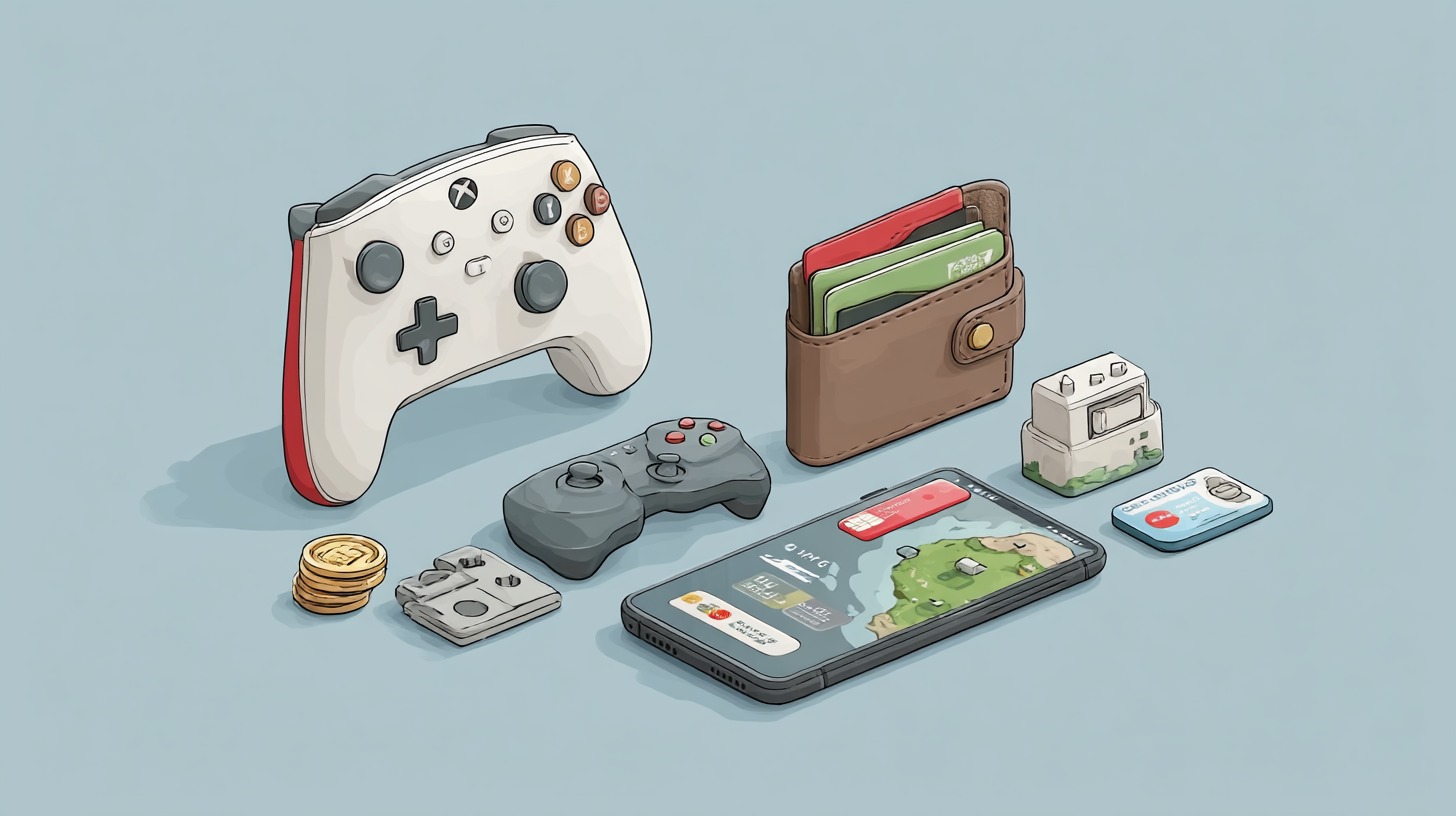
Microtransactions and the changing gaming economy
Microtransactions have become a major driver of revenue in the gaming industry. They allow developers to earn beyond the initial game purchase.
In-game purchases can include cosmetic items, gameplay boosts, and seasonal passes. This model is especially prominent in free-to-play games like Fortnite and Apex Legends.
Key elements include:
- Cosmetic upgrades (skins, outfits).
- Boosts and power-ups.
- Season passes with unlockable rewards.
While this system offers flexibility, it also raises concerns about spending habits and game balance. Regulators are increasingly paying attention to ensure fairness and transparency.
The future of gaming payments
Looking ahead, gaming payments will become more immersive and integrated.
Technologies like VR and AR may transform purchasing into interactive experiences. Mobile payments will continue to grow, especially in emerging markets. Sustainability will also become a focus, with eco-friendly payment solutions gaining importance.
Key trends include:
- Immersive payment experiences (VR/AR).
- Growth of mobile payments.
- Sustainable payment solutions.
- Increased collaboration across industries.
Gaming payments are evolving beyond simple transactions, becoming a core part of the overall gaming experience.